
7 common mistakes in internal Employer Branding
– how do you fix them effectively –

Employer Branding is on the agenda of almost all companies today, so it is important to identify common mistakes in Employer Branding that can occur.
Companies invest in career pages, LinkedIn campaigns, team videos and inspirational messages about organizational culture.
And yet, many organizations continue to face:
- high staff turnover
- low engagement
- lack of belonging
- difficulties in attracting the right talent
The problem? Employer Branding is treated almost exclusively as an external strategy, not as a real internal experience.
In many companies, employer branding remains just a message. Well-designed promotional products transform it into real experiences for employees.
Here are the most common mistakes in Employer Branding and how they can be corrected:
1. Strong external communication, weak internal experience
Companies promise culture, balance, and solid values, but employees don’t find these things in their daily lives. Authentic Employer Branding starts from the inside – every interaction, every process, and every detail matters.
How do you correct:
- align external messages with real experience
- invest in visible elements that reinforce internal identity (onboarding kits, internal merch, useful personalized products)
When the brand is constantly and coherently present in the work environment, the message becomes credible and can increase affiliation scores by 15%, according to Brand Genetics research.
2. Shallow onboarding
The first 30 days have a decisive influence on long-term retention. An onboarding reduced to documents and access passwords conveys a lack of organization and involvement.
How to fix it:
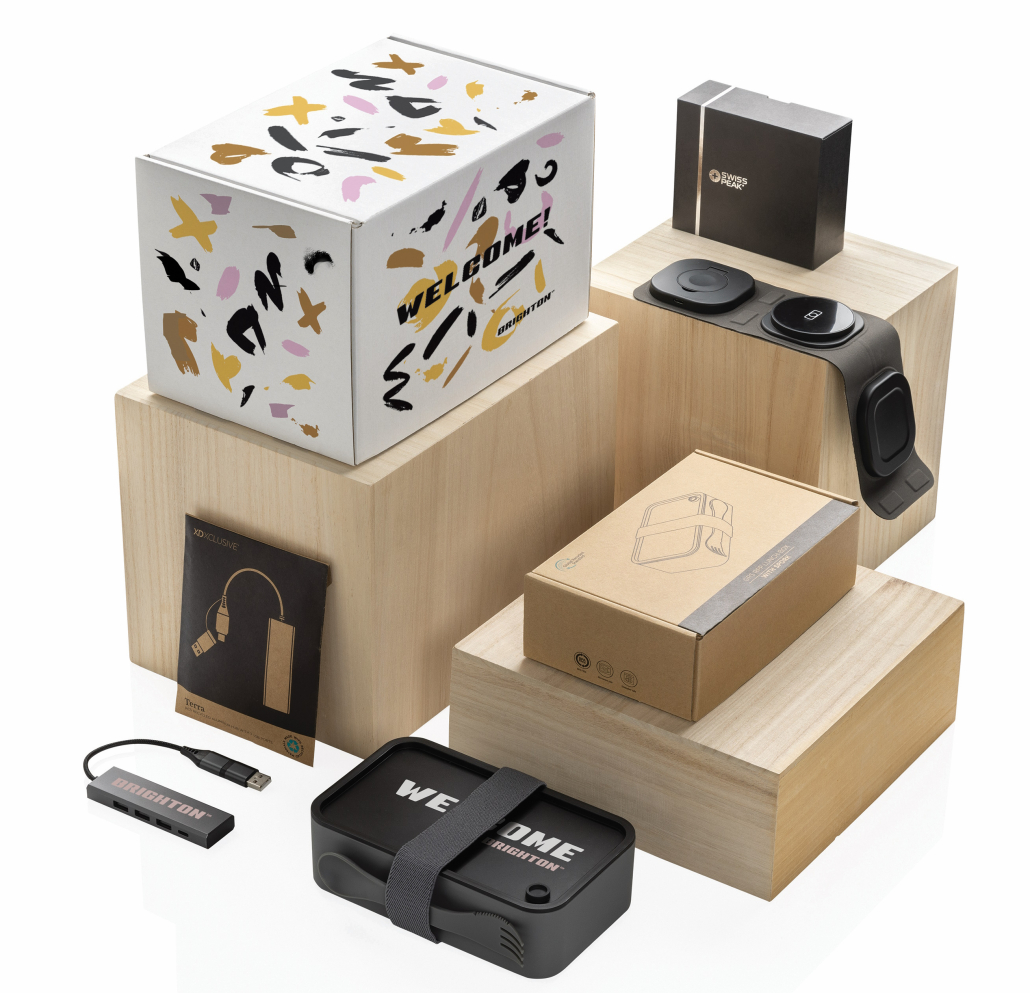
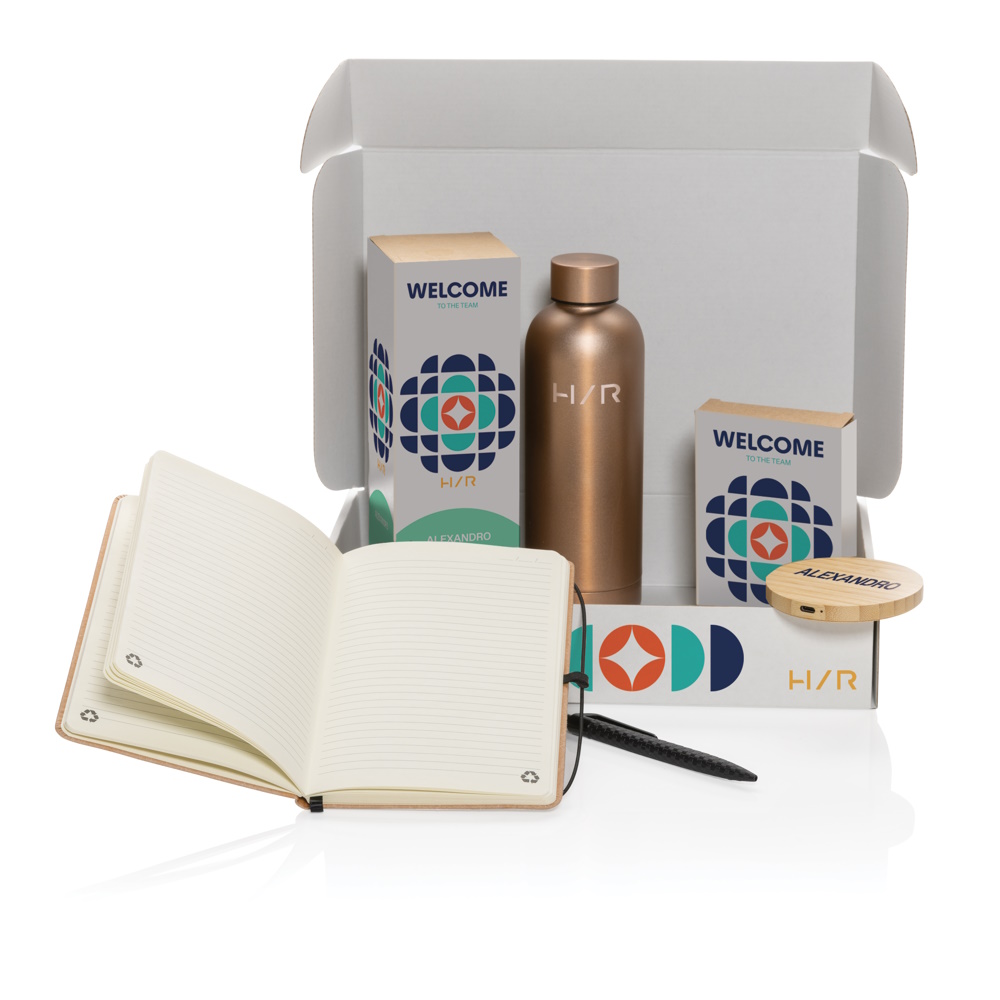
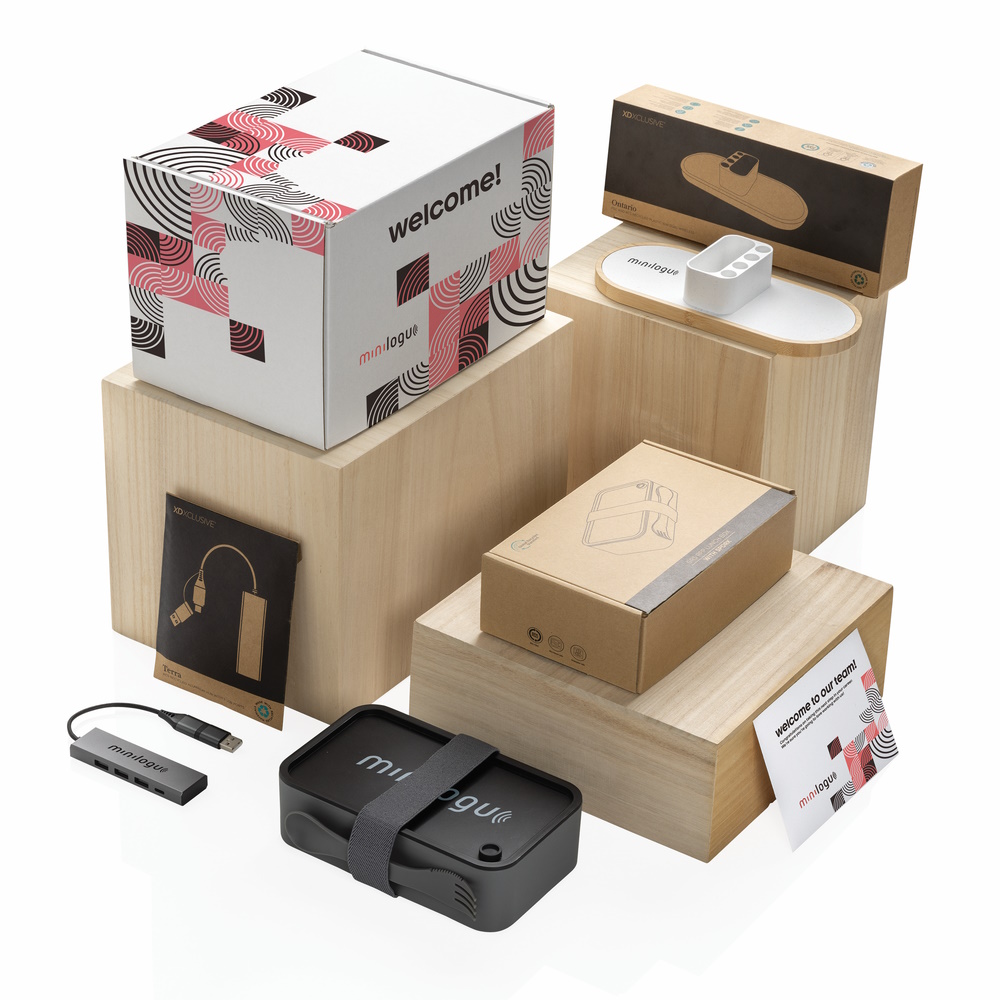
- create a coherent and useful onboarding kit (agenda, thermos, laptop bag, personalized message)
- include elements that reflect the company’s values
- turn the first day into an experience, not an administrative checklist.
A memorable onboarding increases the sense of belonging in the first week and retention at 90 days by 20-30%, Gallup studies show.
3. Lack of real recognition
A simple “thank you” email is not enough to build loyalty.
Employees want concrete, tangible recognition.
How to correct:
- personalized awards for milestones (1, 5, 10 years)
- premium items or extra benefits for performance
- dedicated kits for successfully completed projects.
Tangible recognition has a greater emotional impact than abstract communication, reporting +25% engagement in internal surveys (e.g. Microsoft Workplace Analytics).
4. Organizational culture without symbols
Culture doesn’t just live in values written on the wall, it needs symbols and objects that make it visible. Internal hoodies, reusable bottles, personalized tech accessories or products created exclusively for employees contribute to:
- cohesion;
- team identity;
- pride of belonging.
When employees choose to wear company merch outside the office, Employer Branding becomes organic.
5. Ignoring sustainability
New generations of employees pay attention to the real values of the company. If the organization talks about responsibility, but uses cheap and polluting products, the message becomes contradictory.
How do you correct:
- choose reusable products instead of disposable items
- opt for textiles made from recycled or organic materials
- use sustainable personalization methods (engraving, embroidery, UV-resistant printing).
Sustainability integrated into the internal culture strengthens brand credibility and decreases staff turnover by 10-18% among Generation Z/Millennials (Deloitte surveys).
6. Lack of a coherent strategy
Promotional products are often ordered on a one-off basis, without a clear logic: for an event, for a teambuilding, for an isolated moment.
How do you correct:
- define clear objectives (retention, engagement, culture, onboarding)
- align products with visual identity
- build an annual calendar of internal initiatives
Effective Employer Branding is planned, not improvised.
7. Ignoring impact measurement
Without metrics, Employer Branding becomes a vague concept. HR and Marketing departments can track:
- internal engagement scores
- retention rate
- participation in internal events
- number of internal recommendations (employee referrals)
- qualitative feedback about organizational culture
Promotional products thus become part of a measurable strategy, not just an operational cost, with an ROI of $4-6 per $1 invested, through retention vs. recruitment (SHRM data).
How can promotional products correct these mistakes?
When strategically integrated, personalized products become:
- instruments for reinforcing culture
- symbols of recognition
- elements of internal differentiation
- a bridge between external identity and internal reality
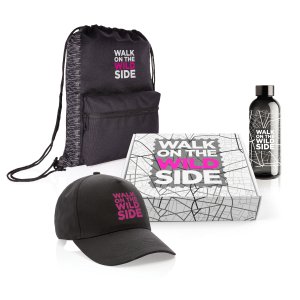
Quality, utility, and visual coherence are essential. One well-chosen object used daily has a greater impact than ten cheap products forgotten in a drawer and used strictly upon receipt, or perhaps not even then.
Companies don’t fail in Employer Branding due to lack of intention, but because they promise a lot and deliver little => the message doesn’t match daily reality.
When promotional products are smartly chosen, responsibly personalized, and integrated into a clear strategy, they can support retention, engagement, and organizational culture.
At Lexonn, we work with HR and Marketing teams to transform promotional items into strategic tools – not just for customers, but also for people inside the company.
Many employer branding initiatives start with good intentions, but fail when they remain just at the message level and do not translate into real experiences for employees.
Often, it’s the small, concrete actions – including how you use promotional products – that can change an initiative that goes unnoticed into one that remains in the team’s memory.
If you want to turn these ideas into concrete actions, you can start with a simple exercise.
Looking for practical ideas for your company’s employer branding challenges? Tell us in what context you would like to use promotional products, and we will send you some suggestions for kits suitable for that moment.
We come up with proposals within 1-2 business days.
