
Modern methods of personalizing promotional products
– impact on the environment –
As technology advances and customer expectations change, personalization methods for promotional products are evolving rapidly.
Choosing the right techniques influences the visual appearance and quality of the print, but also the environmental impact, production costs and brand perception in front of consumers and partners.
In this article, we explore both classic and modern personalization methods, as well as how to select them to reduce environmental impact.
Companies are thus encouraged to run more responsible promotional campaigns.
Modern personalization methods – advantages and limitations
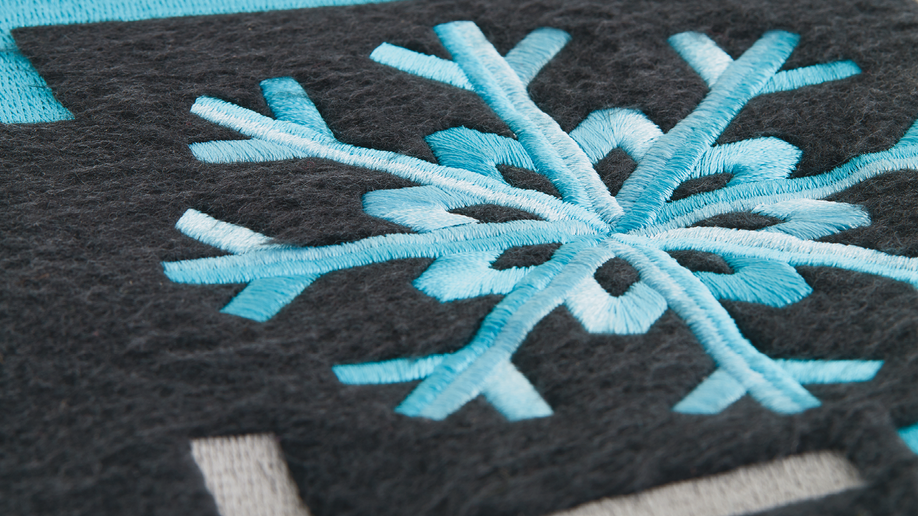
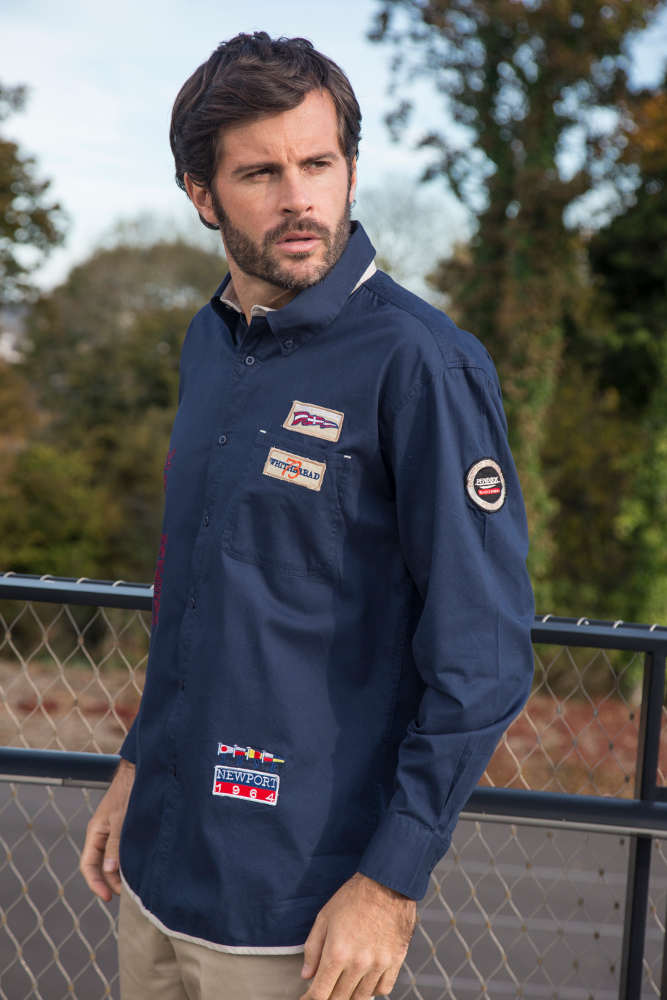
Embroidery: elegance and durability
Embroidery is a traditional personalization technique for textiles such as t-shirts, caps, bags, or sweatshirts. This uses threads of various colors to create a logo or embossed text. The embroidery lasts very well over time and offers a premium look. Pros: durable, premium, doesn’t get damaged easily. Cons: it can be more expensive for complex details, and where the logo is multi-colored or the layout itself is extremely complex, it cannot be used at all.

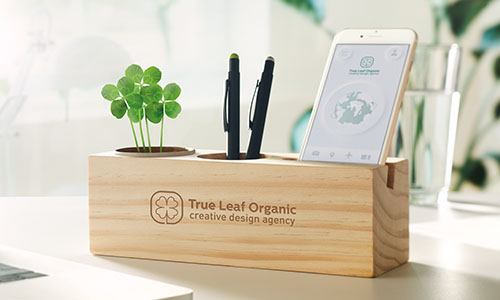
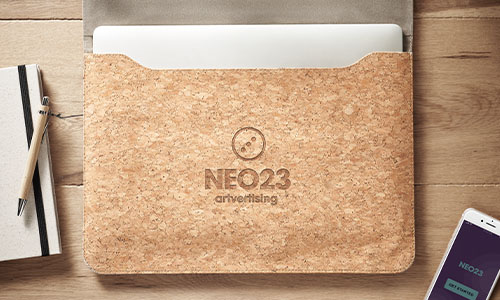
Gravura laser: precizie si caracter permanent
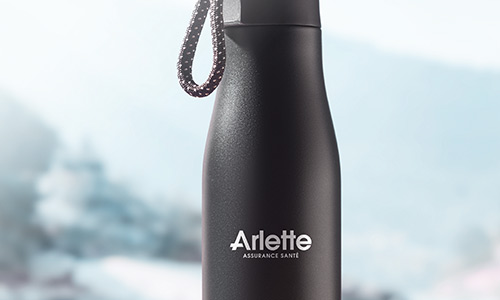
Digital printing and UV printing: flexibility and details
Digital printing is one of the most versatile personalization methods, suitable for many types of surfaces, from plastic and paper to wood and textiles. UV printing uses light to dry the ink instantly, providing vibrant colors and fine details.
Pros: fine details, suitable for photo images, flexible.
Cons: can use conventional ink that contains chemicals, so here you need extra information about the type of ink used and the impact on the environment.
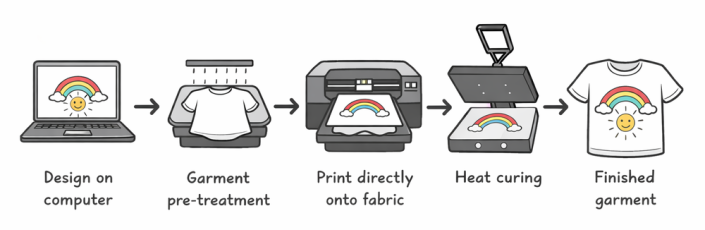
DTG: direct to garment printing
Screen printing and sublimation: the favorites of large production
Screen printing is one of the most common techniques for textiles and flat materials, and sublimation transfers pigments through heat from a special paper to the surface of the object.
Pros: cost-effective for medium and large orders, good resistance.
Cons: these methods can have limitations for very complex details.
Eco-friendly methods and environmental impact
Material and ink matter. Customization on sustainable products.
Choosing your personalization methods isn’t just a matter of aesthetics or cost. The techniques used have different impacts on the environment.
Traditional ink vs. eco-friendly ink: Solvent-based ink can contain chemicals that affect water and soil. Opt for water-based or plant-based inks for a lower impact.
Consumables and waste: Techniques like traditional screen printing can generate screen and paper waste, while laser engraving doesn’t produce any consumables.
Beyond choosing a modern personalization method, the product chosen has a great impact on the environment. Recycled, biodegradable or reusable materials reduce the ecological footprint of promotional campaigns and send a strong message of responsibility.
The quality of the selected materials also has a great impact on sustainability. A durable and high-quality object has a longer lifespan, so the environmental impact becomes smaller through the longevity of the product.
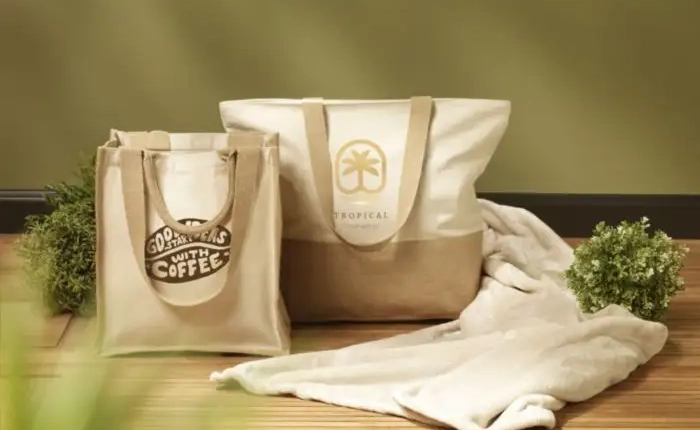
Examples of sustainable materials:
- organic and recycled cotton
- certified bamboo and wood
- recyclable metals or reusable stainless steel
- biodegradable materials
How personalization influences brand image
When a brand chooses personalization methods and products that take into account the impact on the environment, this not only reduces the ecological effects, but also increases public trust and customer loyalty.
Today’s consumers appreciate responsible companies and are more likely to keep and use personalized promotional products that reflect sustainable values.
Checklist for responsible and efficient personalization
- Choose the right personalization technique for the material and purpose of the campaign, as well as what the brand manual allows
- Prioritize inks and methods with low environmental impact
- Opt for products made from recycled or biodegradable materials
- Minimize unnecessary packaging and select recyclable packaging
- Test samples before production for quality and durability
Modern personalization methods offer a wide range of possibilities – from ultra-precise laser engraving to complex digital printing. However, environmental impact must become a central criterion in the choice of technique and product.
By choosing eco-conscious solutions, you position yourself as a responsible brand and increase the positive impact of each promotional item offered.
